- Contact Us Now: (601) 948-4444 Tap Here To Call Us




Is Public Drinking Legal in Mississippi?



In most Mississippi cities and towns, drinking alcohol in public is barred by local ordinance rather than by any state law. Towns across the state write their own rules. Those rules ban open drinks on sidewalks, streets, and in parks. But they vary a lot from one county or city to the next, because Mississippi hands broad power to local government.
This local control makes the answer to "is public drinking illegal" more complicated than a simple yes or no. Where you stand matters. One block might fall inside a designated entertainment district where public drinking is allowed. The next block could land you a misdemeanor citation.
This article explains how Mississippi's public drinking rules work. It covers the state's odd open container gap. It walks through Leisure and Recreation Districts. It sets out what a ticket can cost you. It gives a broader look at Mississippi liquor laws. And it answers the questions people ask most.
Is It Illegal to Drink in Public in Mississippi?
Mississippi has no single state law that bans drinking alcohol in public. Three things decide the answer instead. They are the kind of county you are in, the city rules where you stand, and whether you are in a car or on a public road.
Mississippi's local option law lets the voters of each county decide by election whether local businesses there may sell alcoholic beverages. Liquor and beer are decided in separate elections. Wet counties permit the sale of alcohol. Dry counties do not authorize liquor sales, though possessing alcohol has been lawful statewide since January 1, 2021. Other counties allow beer and light wine while liquor sales stay prohibited.
Most Mississippi cities prohibit open consumption of alcohol on public streets, sidewalks, and in parks through municipal ordinances. In larger cities such as Jackson, Hattiesburg, Gulfport, and Tupelo the rule comes from each city's own code. Violating a local public drinking ordinance is typically a misdemeanor.
Beyond local rules, Mississippi law also addresses public drunkenness separately. The offense carries the statutory title "profanity or drunkenness in public place". Under Mississippi law, public intoxication – being drunk in any public place in the presence of two or more persons – may result in a fine of up to $100. Jail time of up to 30 days is also possible. Either penalty, or both, may apply.
The bottom line: Are you allowed to drink in public in Mississippi? Can you drink alcohol in public anywhere in the state? In most places, no. The answer turns on your exact spot and the local rules.
Mississippi Open Container Law Explained
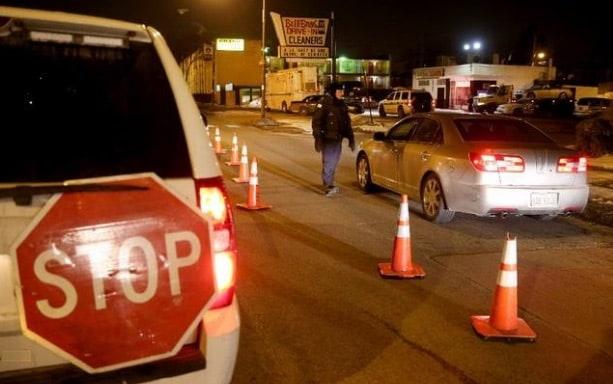
Mississippi holds an unusual position among the states. Most states have a traditional statewide open container law. Mississippi does not have one. Such a law would bar anyone in a vehicle's passenger area, the driver included, from having open containers of alcohol or drinking. In many parts of Mississippi, a passenger may legally hold an open beer or mixed drink while riding in a car.
But a driver who drinks behind the wheel risks a DUI charge. Under Mississippi law, driving under the influence of intoxicating liquor is unlawful, as is driving with a blood alcohol concentration of .08% or more. Mississippi has no separate law prohibiting a driver from drinking. The statute reaches impairment as well as blood alcohol levels.
Mississippi's lack of a statewide open container law also means the state does not meet the federal standard set by federal highway funding provisions. Under that law, part of a non-conforming state's federal highway apportionment is reserved and redirected to impaired-driving countermeasures or highway safety projects. Mississippi accepts that redirect rather than change its laws.
Despite the state-level gap, many municipalities have adopted their own open container ordinances. Cities such as Jackson, Hattiesburg, Oxford, and Starkville each set their own limits on carrying an open container in public within city limits. These local rules carry misdemeanor penalties that vary by jurisdiction.
This patchwork system creates confusion. You might legally carry an open drink on a county road outside city limits. Then you face a citation the moment you cross into a municipality with stricter rules. Travelers and residents should check local laws before assuming public drinking is permitted.
Leisure and Recreation Districts: Where Public Drinking Is Allowed
Not every public space in Mississippi bans open alcohol. Mississippi law allows a municipality by ordinance, or a county by resolution, to create Leisure and Recreation Districts. These designated entertainment zones let adults aged 21 and older carry and consume alcohol in public within the district's approved boundaries.
Several Mississippi cities have established these districts. Whether a downtown block in Jackson, Hattiesburg, Ocean Springs, or Bay St. Louis sits inside one is set by that city's own ordinance. The goal is to support local businesses and tourism by creating walkable entertainment environments.
The districts come with clear rules. Your drink must come from a licensed business inside the district, which may let you carry it out in an open glass, cup, or other container. You must remain within the district's boundaries while in possession of the drink. The law does not let you bring your own alcohol into a licensed business. An individual city ordinance may add its own container or signage requirements.
So can you drink beer in public in a Mississippi entertainment district? Yes – as long as you follow the rules. These districts balance public safety concerns with economic development. They create a more relaxed social atmosphere in targeted areas.
Mississippi Liquor Laws: A Broader Overview
Mississippi has a long and interesting history when it comes to alcohol laws. The state backed prohibition from the 1800s onward. Knowing how MS liquor laws got here helps explain the state's public drinking rules. Mississippi's alcohol regulatory framework is unlike most other states. Several features directly affect where and how residents may consume alcohol.
At the base of Mississippi liquor laws sits the wet or dry county split. Each county votes on whether to allow alcohol sales. As of 2026, most counties are wet or part wet. A few stay dry. In a dry county, no one may sell alcohol at all. But simply having alcohol became lawful across the state on January 1, 2021, even in a county that stays dry.
The Mississippi Department of Revenue's Alcoholic Beverage Control division plays a central role. The ABC division serves as the sole wholesaler of distilled spirits and wine in the state. All liquor and wine sold in Mississippi flows through the state's distribution system. Beer and light wine follow a separate regulatory track and may be sold by licensed retailers.
Under Mississippi law, the legal drinking age is 21. A person under 21 who purchases, receives, or possesses alcohol in any public place commits a misdemeanor. Violations involving minors carry separate penalties and can escalate charges in public drinking situations.
Hours of sale differ by city but tend to follow one pattern. Most places ban alcohol sales in the early morning and on Sundays, so you cannot purchase alcohol then. Many cities have eased the Sunday rules in recent years. Each city and county sets its own cutoff time.
Drinking at a bar or restaurant follows one set of rules. Buying a bottle at a store follows another. A bar or restaurant must keep to its service hours. It may not serve anyone who is clearly drunk or under 21. A store needs its own license, and the license it needs turns on whether it sells beer, wine, or liquor.
All these layers mean Mississippi liquor laws change from one city or county to the next. What is legal in Jackson may be banned in the dry county next door. If you have questions about the rules where you live, ask a lawyer who knows that court.
Penalties for Illegal Public Drinking in Mississippi
What a public drinking or open container ticket costs you depends on the town. In most Mississippi cities it is a misdemeanor-level breach of a city rule. The city's own ordinance sets the fine, within the cap state law places on city fines. Some towns may also order community service.
Repeat offenders may face escalating penalties. A second or third public drinking violation within a set period can result in a short jail term. These terms are typically measured in days rather than months.
A few added facts can turn a public drinking stop into something worse. Public intoxication – being drunk in any public place in front of two or more people – carries a fine of up to $100, up to 30 days in the county jail, or both. A disorderly conduct charge may follow if the person disturbs the peace. Handing alcohol to a minor in public adds its own charge.
A public drinking ticket is not the same as a DUI charge. But a prosecutor may use the ticket to back up a DUI case. If an officer sees someone drink in public and then drive, that ticket helps fix the time line.
Penalties vary significantly by city and county. Consult a local attorney to understand the specific consequences in your jurisdiction.
Why Is Drinking in Public Illegal?
Many people wonder why drinking in public is illegal when private consumption is perfectly lawful. The policy rationale centers on public safety and community welfare.
Public consumption of alcohol raises the risk of disorderly conduct, public drunkenness, and fights. Police say that drinking out in the open is hard to police. It also draws complaints from the people who live and work there.
Protecting minors from exposure to alcohol consumption in a public area such as a park or a sidewalk is another common justification. Cities also cite the connection between public drinking and impaired driving. Someone drinking on a public street may soon get behind the wheel.
But states and cities draw the line in their own way, based on local values and local money. Mississippi's Leisure and Recreation Districts show that balance. They allow public drinking in a few marked blocks. In those blocks the gain from tourism and nightlife wins out. Outside them the limits stay.
Charged With Public Drinking or an Alcohol Offense in Mississippi?
A public drinking citation, open container violation, or related alcohol charge – while often a misdemeanor – can create a criminal record. That record may affect employment opportunities, housing applications, and professional licensing.
If you are facing a citation or a related alcohol charge such as a DUI, Vic Carmody, Jr., P.A. can help. Our firm handles alcohol-related offenses in courts throughout Mississippi. We understand how local ordinances differ across jurisdictions and can explain your options clearly.
Contact our office today to discuss your case and learn about your defense options.

Frequently Asked Questions About Public Drinking in Mississippi
Is It Legal to Drink Alcohol on the Sidewalk in Mississippi?
In most Mississippi cities, drinking alcohol on a public sidewalk is not legal. City ordinances set the rule in places such as Jackson and Oxford, and most of them ban open drinks on the sidewalk. But if that sidewalk sits inside a Leisure and Recreation District, you may drink alcohol you bought from a licensed business in the district. The rules shift block by block. Check the local code before you drink on any public sidewalk.
Does Mississippi Have a Statewide Open Container Law?
Mississippi does not have a standard statewide open container law. In much of the state, a rider in a car may hold an open drink and break no state law. But a driver who drinks risks a DUI charge. Driving under the influence of intoxicating liquor is unlawful, and so is driving with a blood alcohol level of .08% or more. Many cities have passed their own open container rules for public streets and sidewalks inside the city.
What Are the Penalties for Drinking in Public in Mississippi?
Penalties depend on the local ordinance. Most cities treat public drinking as a misdemeanor. The city's own ordinance sets the fine, within the cap state law places on city fines. Public intoxication – being drunk in any public place in front of two or more people – carries a fine of up to $100, up to 30 days in jail, or both. Added facts, such as disorderly conduct or handing a drink to a minor, can bring extra charges.
Can You Drink Beer in Public in a Mississippi Entertainment District?
Adults aged 21 and older may carry and consume beer or other alcoholic beverages in a designated Leisure and Recreation District. The beverage must come from a licensed business within the district, which may let you carry it out in an open glass, cup, or other container. You must remain within the district's boundaries while in possession of the drink, and the law does not let you bring your own alcohol into a licensed business.
What Is the Legal Drinking Age Under Mississippi Liquor Laws?
Under Mississippi law, the legal drinking age is 21. A person under 21 who purchases, receives, or possesses alcohol in any public place commits a misdemeanor. Violations involving underage individuals carry separate penalties and may compound other charges such as public drinking or open container violations.